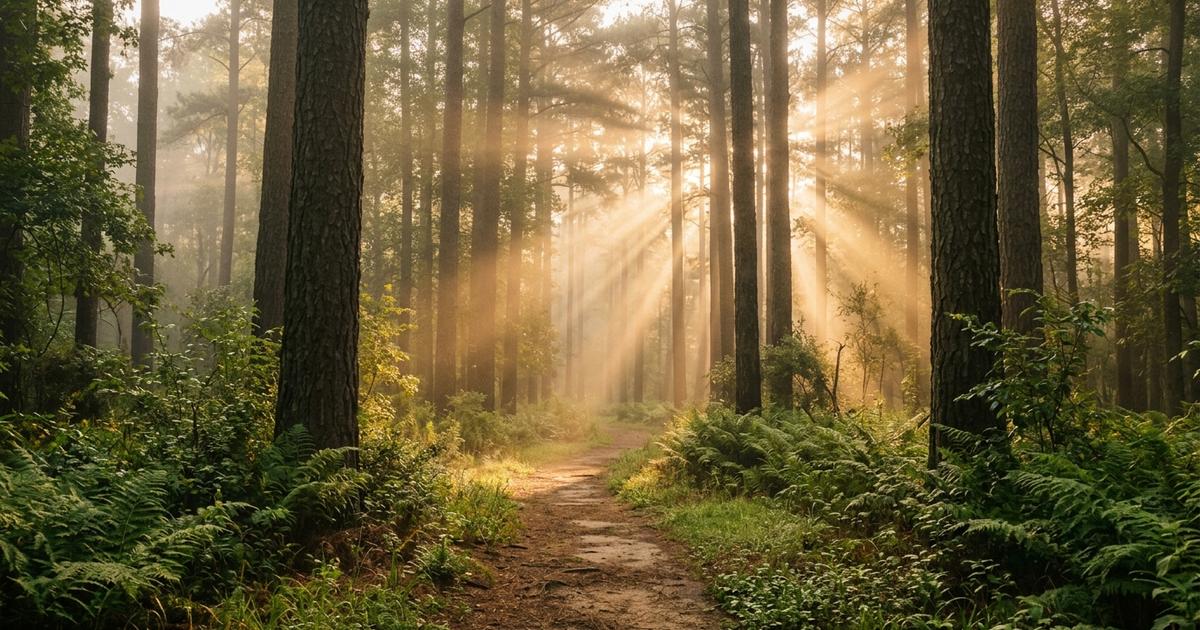
The Triangle has four distinct seasons, and every one of them offers unique nature experiences for families. This month-by-month calendar will help you plan outdoor adventures all year long. No more "there's nothing to do" — nature always has something happening.Winter bird counting. Participate in the Great Backyard Bird Count (usually mid-February, but start practicing in January). Set up a feeder and count visitors.
Bark and bud identification. Without leaves, trees show their bark and bud structures. Great for nature journaling.
Eagle watching at Jordan Lake and Falls Lake. Bald eagles are most visible from December through March.
Evergreen exploration. Visit Hemlock Bluffs to see the rare Eastern Hemlock stand.
Night hike. Full moons in January illuminate trails beautifully. Try a moonlight walk at Umstead. Skunk cabbage emerges in wetlands, one of the first signs of spring.
Red maple flowers appear — tiny red blooms that most people miss. Look up.
Owl courtship. Great horned owls are nesting. Listen for their hooting at dusk in wooded parks.
Start seeds indoors with kids. Tomatoes and peppers started now will be ready to plant in April.
Valentine nature walk. Make heart-shaped nature frames from sticks and fill with found objects. Azalea bloom at the WRAL Azalea Garden (usually mid to late March). Spectacular colors.
Spring peeper chorus. Frogs begin calling on warm evenings. Listen near ponds at Prairie Ridge, Jordan Lake, and wetland areas.
Wildflower walks at Eno River State Park. Bloodroot, trillium, and Virginia bluebells appear.
Plant a garden. Cool-season crops (lettuce, peas, radishes) can go in the ground.
First butterflies. Eastern commas and mourning cloaks appear on warm days. Dogwood and redbud blooming. The forest understory explodes with white and pink. Umstead and Eno River are stunning.
Bird migration. Warblers, tanagers, and vireos pass through. Mason Farm and Prairie Ridge are prime spots.
Tadpole watching. Frog eggs laid in March are now tadpoles in shallow ponds.
Fishing season heats up. Bluegill and bass are active in all Triangle lakes.
Earth Day activities (April 22). Many parks host cleanups and nature programs.
Plant warm-season crops after the last frost (typically mid-April in the Triangle). Kayaking and canoeing season begins. Lake Johnson, Bond Park, and Falls Lake all open boat rentals.
Butterfly gardens peak. Visit Duke Gardens, JC Raulston Arboretum, or NC Botanical Garden.
Hummingbirds arrive. Put out feeders (4:1 water to sugar ratio, no red dye).
Splash pads open around Memorial Day. Chavis Park, Godbold Park, and others.
Camping season kicks off. Book sites at Falls Lake, Jordan Lake, and Kerr Lake.
Box turtles are active on trails, especially after rain. Watch where you step. River wading at Eno River (Fews Ford) is perfect as temperatures rise.
Fireflies begin their light show in late May and peak in June. Best seen at dusk in yards and open meadows.
Dragonfly season. Prairie Ridge has incredible dragonfly diversity. Bring a field guide or use the iNaturalist app.
Berry picking. Wild blackberries ripen along trail edges (be sure of your identification).
Outdoor movie nights begin at parks across the Triangle.
Nighttime nature walks. The warm evenings bring out bats, moths, and the sounds of summer insects. Early morning hikes. Beat the heat by starting at 7 a.m. Umstead and Duke Forest are cool under canopy.
Lake swimming at Falls Lake and Jordan Lake beaches.
Cicadas sing. The buzzing chorus of annual cicadas defines July in the Triangle.
Star Party. Attend a Raleigh Astronomy Club event and view Saturn, Jupiter, and summer constellations.
Creek play. Any greenway creek crossing becomes a cooling station. Bring water shoes.
Grow a sunflower. If you planted seeds in May, your sunflowers should be towering now. Perseid meteor shower (peaks mid-August). Drive to a dark sky spot and watch shooting stars.
Monarch butterflies begin migrating south. Plant milkweed to support them.
Garden harvest. Tomatoes, peppers, squash, and cucumbers are producing. Involve kids in picking and cooking.
Back-to-school nature walks. Use the last days of summer for a long hike at Eno River or Falls Lake Trail.
Pond skimming. Search for aquatic insects, frogs, and turtles at ponds and creeks. Fall garden planting. Lettuce, kale, and radishes go in for a fall harvest.
Hawk migration. Watch for migrating hawks soaring on thermals, especially along ridgelines.
Spider web season. Morning dew reveals spectacular orb weaver webs. Bring a camera.
Monarch migration peaks in late September. Watch for them in open fields and gardens.
Camping. September and October offer the best camping weather: warm days, cool nights, few bugs. Fall foliage peaks mid-October to early November. Best viewed at Umstead, Eno River, and Duke Forest.
Pumpkin patches and corn mazes. Many farms in the Triangle offer family fall activities.
Acorn and pinecone crafts. Collect nature items for fall projects.
Apple picking. Day trip to Hendersonville or other mountain orchards (about 3 hours).
Halloween nature walks. Some parks offer evening themed walks. Leaf litter exploration. Turn over logs and leaves to find insects, worms, and fungi.
Eagle return. Bald eagles begin arriving at Jordan Lake and Falls Lake.
Thanksgiving nature walk. Make it a family tradition to walk a greenway or trail before the big meal.
Plant garlic. November is garlic planting time in the Triangle. Kids love pushing cloves into the soil.
Dark evening walks. Shorter days mean earlier sunsets. Take a headlamp walk on a local greenway. Geminid meteor shower (peaks mid-December). One of the best showers of the year.
Christmas Bird Count (organized by Audubon Society). Families can participate in this century-old citizen science tradition.
Camellia bloom. JC Raulston Arboretum has gorgeous winter-blooming camellias.
Frost exploration. On cold mornings, examine frost patterns on leaves, windows, and puddles. Beautiful and fleeting.
Year-end nature journal review. Look back at a year of nature observations with your kids. Binoculars
Bug spray and sunscreen
Water bottles
A small field guide or nature app on your phone
A magnifying glass
A reusable bag for collecting (where allowed)
A pocket notebook and pencil [Stargazing with Kids: Best Dark Sky Spots Near the Triangle](/guides/stargazing-kids-dark-sky-spots-triangle)
[Free Outdoor Activities in the Triangle (Year-Round)](/guides/free-outdoor-activities-triangle-year-round)
[Nature Lover's Weekend in the Triangle](/guides/nature-lovers-weekend-triangle)
[Best Family Hikes Under 2 Miles in the Triangle](/guides/best-family-hikes-under-2-miles-triangle)
[Best Botanical Gardens for Families in the Triangle](/guides/best-botanical-gardens-families-triangle)
January
Theme: Winter Observation
The quiet of winter is perfect for slowing down and observing nature. Without leaves on trees, you can see farther into the forest and spot wildlife more easily.
February
Theme: Early Signs of Spring
March
Theme: Spring Awakening
April
Theme: Full Spring
May
Theme: Outdoor Living
June
Theme: Water and Bugs
July
Theme: Beat the Heat
August
Theme: Late Summer Harvest
September
Theme: Transition to Fall
October
Theme: Peak Fall
November
Theme: Late Fall / Early Winter
December
Theme: Winter Wonder
Your Year-Round Nature Kit
Keep these items in your car for spontaneous nature outings:
Nature doesn't take a season off, and neither should your family. There's always something happening outside in the Triangle.
More Guides You'll Love
Mom Tip
If the kids are melting down, there's a nearby park or splash pad that usually saves the day. Trust me.
seasonalnaturecalendaryear-roundfamily-activitiesoutdoors